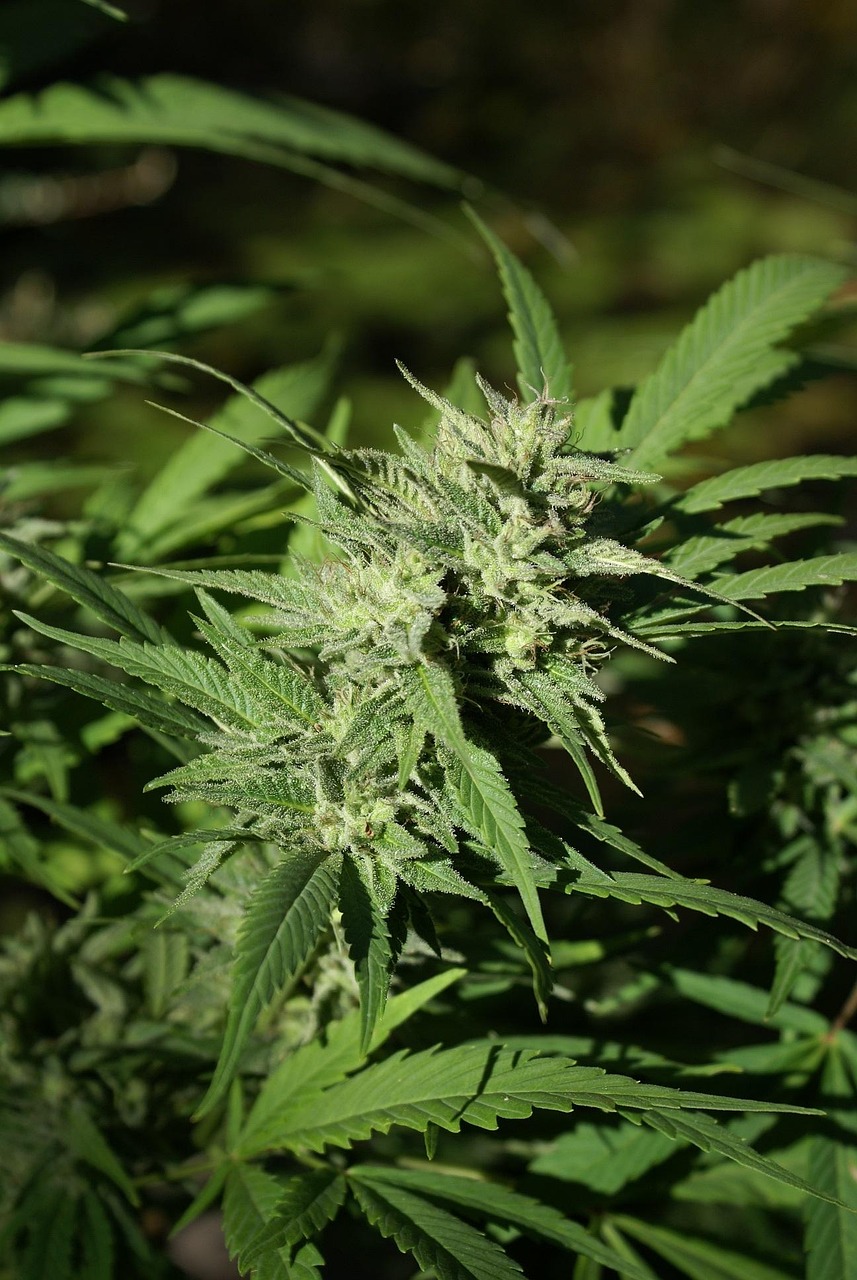
There are two remedies from cannabis in our homeopathic literature: Cannabis Indica and Cannabis Sativa.
Cannabis Indica is what we call marijuana, while Cannabis Sativa is hemp. John Henry Clarke notes in his Dictionary of Practical Materia Medica that they are botanically identical, and that Cannabis Indica is East Indian Cannabis Sativa, what is different is the soil and climate in which they are grown.
However, as we now know, there can be differences in plants considering the quantities of THC and CBD they have, as well as the terpenes, flavonoids and other minor cannabinoids. (If you haven’t already read it, check out last week’s post about medicinal cannabis to learn more). Cannabis Indica definitely appears to be a plant with a reasonable quantity of THC, but the psychoactive symptoms are much less prevalent in Cannabis Sativa.
Cannabis Indica (Cann-i) may feel intensely vulnerable, and there may be a traumatic history, but they don’t really want to confront this, preferring to find ways to pretend it is not a problem. This means they can be confused, disoriented and dreamy, and may have trouble concentrating.
They can have lots of thought and plans, theorise a lot, but they can’t actually turn those plans into action. They are great conspiracy theorists, and can be restless and impulsive in their thoughts and actions. It is also a remedy for anxiety and panic attacks, and as part of their anxiety they want approval and acceptance of others. They can feel dissociated and numb, lacking connection with others and easily tearful – depression can be a diagnosis. They may lack focus and have a poor memory, particularly for words.
In homeopathy we talk about delusions – which are sensations or feelings that they have. There are many delusions for Cann-i (probably the most of any remedy), but some of the strong ones are a feeling of detachment or disconnection, feeling alone, or the opposite with a feeling of oneness with the world. They may also feel they will lose control, or have a delusion of floating. There could be a distortion in time, or even a feeling that they are in a different world. They may fear insanity and claustrophobia, and social anxiety can be common.
There are also a wide range of physical symptoms. These include fatigue and exhaustion, as well as a feeling of being heavy or dragging sensations (the opposite of the floating delusion). There can be vertigo and dizziness, which can go with the mental spaciness and confusion. Headaches and migraines are felt in the back of the head and can have a feeling of tightness, heaviness or squeezing sensation. With the confusion and headaches this could be indicated for concussion and other brain injuries.
Interestingly it is not noted for an increased appetite, but there can be cravings of sweet or spicy food, oranges, berries, sour foods, egg and cheese. Beer could be an aggravation, and they may be averse to fatty, rich, or excessively sweet foods. Reflux, sour belching, heavy sensations and flatulence are all seen in Cann-i, and they may have a loose, urgent or involuntary stool.
There could also be a frequent urging for urination with burning sensations, and even dribbling of urine after urination. There could also be excessive sexual desire.
With medicinal marijuana having effects on inflammation, and being used for epilepsy, it is no surprise in Cann-i to see there is back pain, stiffness and aching joints, and violent jerking during sleep.
They may love to sleep, and find it difficult to wake up and get going in the morning. It could also be a remedy for someone with insomnia from a fears or too many thoughts, and they may talk or walk in their sleep, and wake around 3-4am.
If we compare Cannabis indica to Cannabis sativa (Cann-s), we can see there is still a small mental picture of confusion and depersonalisation, but it is much less indicated for this, and there are not the large number of delusions see in Cann-i.
Instead historically Cann-s seems to have been used for gonorrhoea, with associated conjunctivitis and genital-urinary symptoms. This was considered a first line remedy for acute diarrhoea, particularly with irritation and swelling of the urethra and discharge. Pain and burning sensations, that are worse for touch and pressure.
It could also be indicated for cystitis with burning at the end of urination, particularly if the pain is focused in the urethra, and there could be straining to urinate, with urine only passed drop by drop. Like Cann-i, there could be increased sexual desire, but it is also noted for impotence after ‘sexual excess’.
It may also be indicated for asthma and bronchitis with tightness and heaviness. There could be fear during the attack and they feel better standing, sitting up or leaning forward.
One of the interesting thing when I was looking at the two remedies, was the note from Roger Morrison that he could only find 3 documented modern cases of cannabis sativa, compared to 36 modern cases or case reports for cannabis indica. I’ve decided to do some more investigating, so check back next week for a discussion about my theory related to this!