There is a current outbreak of diphtheria in Western Australia and the Northern Territories, and as such even in New Zealand we’ve been hearing about diphtheria. So here is some more information about the disease for you so you are better informed and feel more prepared.
Diphtheria is caused by the bacteria Corynebacterium diphtheriae, which produces a toxin causing severe illness. There are two forms of diphtheria: respiratory, and cutaneous (skin).
The skin form is spread by contact with infected skin, is less severe, and causes a slow healing ulcer. These heal by themselves of 2-3 months, and can leave a depressed scar.
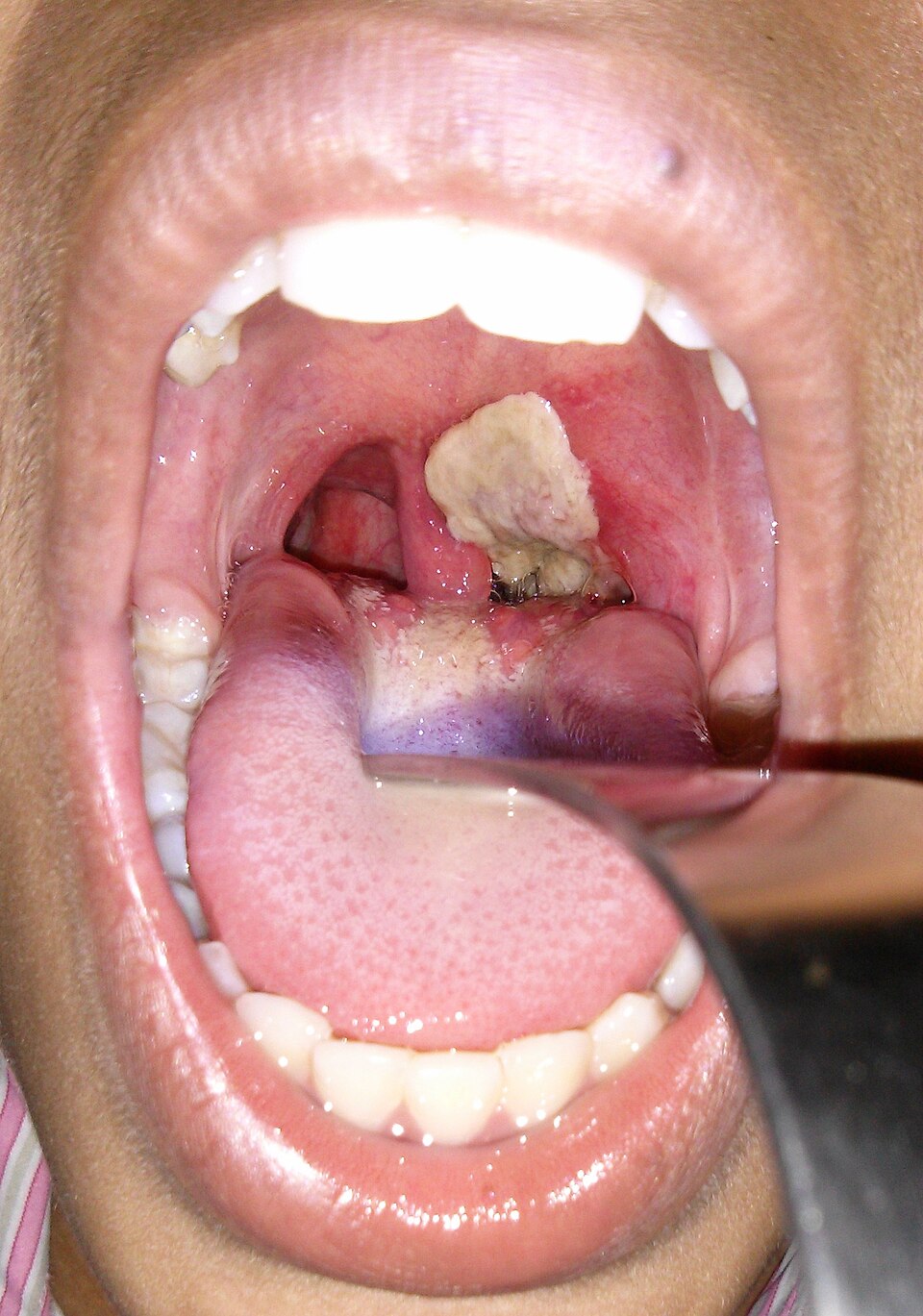
The respiratory form can be mild or severe, and has fatigue, a high pulse, a sore throat with painful swelling of the neck. A grey or white membrane can form over the back of the throat or tonsils which may restrict breathing – however absence of the membrane does not mean that it is not diphtheria. The main concern for respiratory diphtheria is the toxin, which can damage the heart, nerves, kidneys and joints.
But what is the real risk?
Diphtheria is part of the NZ (and Australian) vaccination schedule, in Infanrix hexa, Infanrix IPV, and DTaP. The vaccine is a toxoid vaccine – which means after vaccination you create antibodies to the toxin. It does NOT prevent diphtheria, however because 90% of vaccinated people will be asymptomatic they are less likely to pass on disease through the respiratory droplets. Only 30% of unvaccinated will have asymptomatic disease, the other 70%, and 10% of vaccinated can develop respiratory (or cutaneous) disease.
Treatment of diphtheria is with antibiotics, and for the unvaccinated, the antitoxin. Antibiotics can also be used for asymptomatic infections, as they prevent the spread, but to prevent the effects of the toxin and the severe disease the anti-toxin is needed.
What else can you do?
Vitamin C is an excellent anti-toxin. We use it for tetanus and for whooping cough, both of which have toxins that cause the main consequences of the disease.
General remedies that we use for respiratory complaints and sore throats will be useful to support the immune response – this includes zinc, olive leaf, echinacea, and sore throat lozenges or sprays with honey, propolis, Kawakawa or similar.
Homeopathically there are a number of remedies that are indicated for respiratory diphtheria. There are a lot of crossovers with our general sore throat remedies, so if none of these sound right, consider other sore throat remedies.
Apis is a remedy for a bright red throat that is puffy or glossy looking. The throat can be swollen and is sensitive to touch, they prefer cold to hot. If there is a membrane this can be grey or dirty looking.
Lachesis has a sore throat that starts on the left side and then moves to the right. It is a deeper red or purple colour, and there can be a sense of constriction in the throat. They may also have difficulty breathing, but no difficulty talking.
Arsenicum Album will be exhausted with their sore throat, and the throat can be red with a greyish membrane that looks dry and shrivelled. The throat may feel like it is burning and they feel better for warm drinks.
Lac Caninum is a remedy for sore throats that change from one side to the other. It feels like there is a lump in the throat, and the throat looks red, swollen and raw. There can be excess saliva, but it hurts to swallow.
If you would like to know more about homeoprophylaxis as prevention of diphtheria or any other disease, please message or email me, or make an appointment.
Image credit: User:Dileepunnikri on Wikimedia Commons
